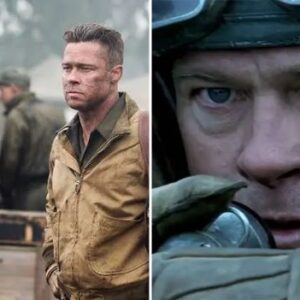
More than a decade after its release, HBO’s The Pacific remains one of the most powerful television portrayals of World War II. But how much of the acclaimed miniseries actually happened? The answer is that its central characters and many of its defining experiences are rooted in real history — although the filmmakers made some changes to bring their stories together.
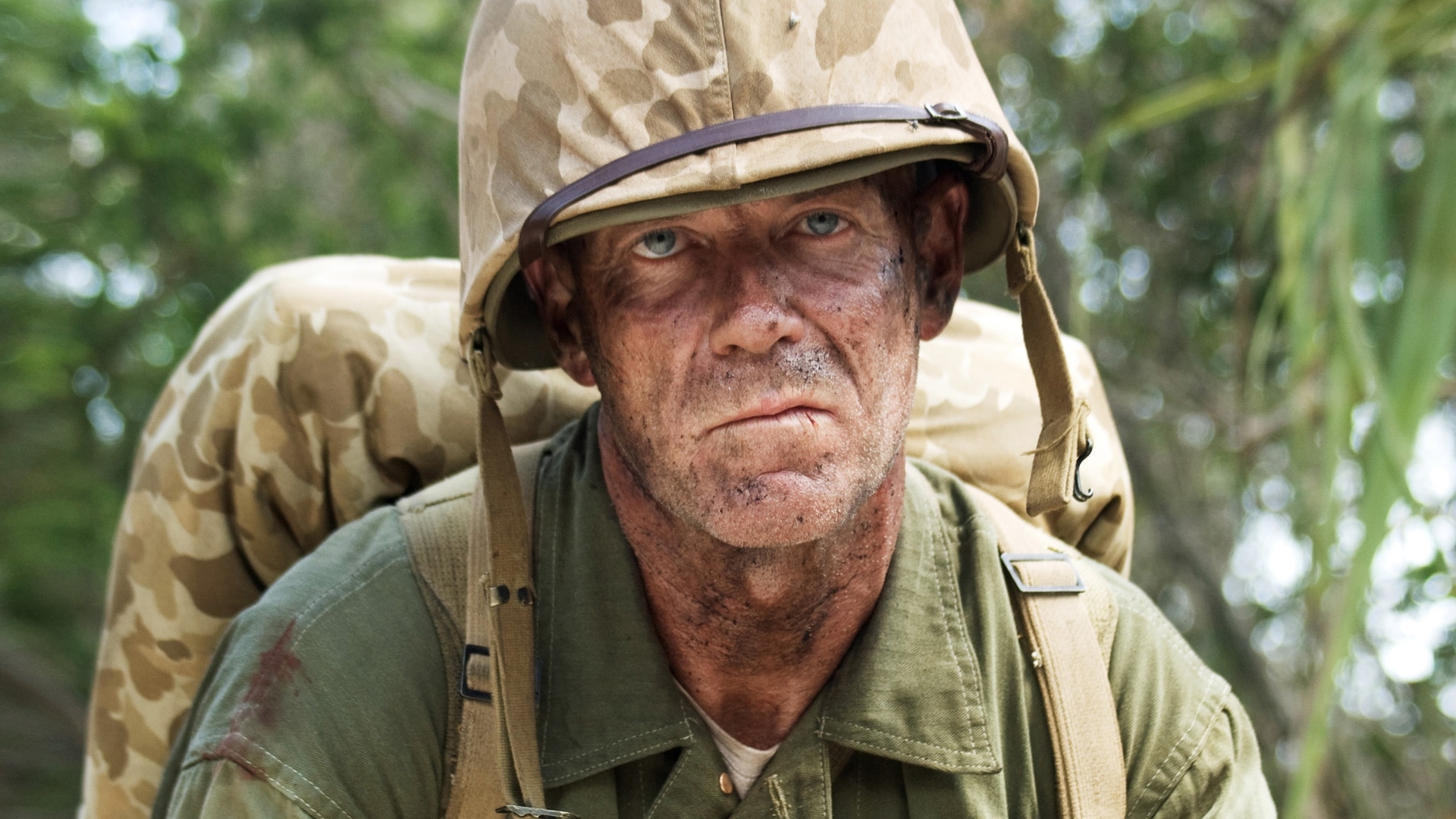
Released in 2010, the ten-part series was produced by Steven Spielberg, Tom Hanks and Gary Goetzman, the team behind Band of Brothers. This time, however, the story moved from the battlefields of Europe to the Pacific, following three real US Marines whose experiences became part of the history of the war.
The central figures are Robert Leckie, played by James Badge Dale; Eugene Sledge, portrayed by Joseph Mazzello; and John Basilone, brought to life by Jon Seda. All three served in the 1st Marine Division, but their wartime experiences took them along different paths.
Much of the series draws directly from the written accounts of Leckie and Sledge. Leckie’s memoir, Helmet for My Pillow, and Sledge’s With the Old Breed: At Peleliu and Okinawa provided the filmmakers with first-hand accounts of life during the Pacific campaign. The production also used Chuck Tatum’s memoir, Red Blood, Black Sand, to help tell Basilone’s story.
The filmmakers took historical authenticity seriously. According to the US Marine Corps, the production involved extensive research into the uniforms, locations and events, while more than 100 veterans were interviewed during development.
However, The Pacific is not a documentary. Some encounters were invented, events were rearranged and the three men’s separate experiences were woven together to create a continuous television narrative. Basilone’s storyline also relied on historical records and other people’s recollections because he did not leave behind a memoir of his own.
Despite these dramatic adjustments, the series remains closely connected to the experiences of the men it portrays. Its emotional impact comes not simply from recreating major battles, but from showing how war affected ordinary people long after their experiences on the battlefield.
For viewers who appreciated Band of Brothers, The Pacific offers another deeply personal look at World War II — one built on real lives, first-hand testimony and a history that deserves to be remembered.