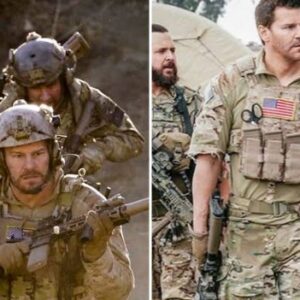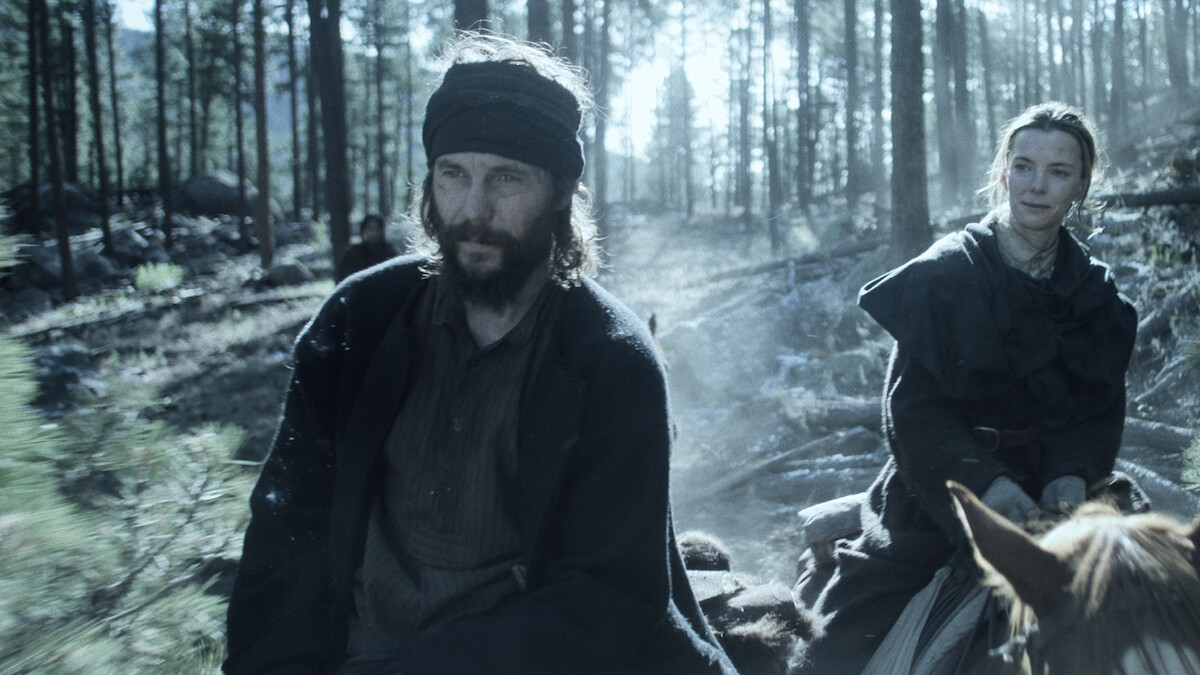
Kitsch has established himself as a compelling screen presence through roles that demand both physical intensity and emotional depth. His ability to portray complicated men caught in impossible circumstances makes him a natural fit for a Western that refuses to divide its characters neatly into heroes and villains. In a world shaped by fear, desperation, and competing ambitions, the difference between right and wrong can become painfully difficult to define.

The American frontier has long provided filmmakers with stories of adventure and independence. Yet behind the familiar imagery of horses, dusty towns, and wide-open landscapes lies a history marked by territorial conflict, displacement, and brutal struggles for control. A more uncompromising Western brings those realities to the forefront, examining the human cost of expansion and the desperate choices people make when their lives and communities are threatened.

What makes this kind of historical drama particularly unsettling is the knowledge that its darkest moments may have roots in real events. When filmmakers draw inspiration from an actual tragedy, the story carries an additional emotional weight. Viewers are not simply watching fictional characters endure suffering; they are being reminded that history contains episodes of violence and loss that can be difficult to comprehend.

The reported effort involved in recreating one particularly terrifying sequence has also attracted attention. A production that devotes months to a single scene suggests an ambition to capture the scale, atmosphere, and emotional consequences of a pivotal event. However, without confirmation of the specific production and sequence, the four-month figure should be treated as a claim from the headline rather than an established fact.

A six-part format offers room for a more expansive exploration of the frontier. Instead of rushing through the action, the series can develop its characters gradually, showing how personal loyalties, political pressures, and the struggle for survival shape their decisions. Every confrontation can carry consequences beyond the immediate moment, making violence feel less like spectacle and more like a force that changes lives permanently.